 delishing
How to Cook Eggplant Parmesan on the Stove

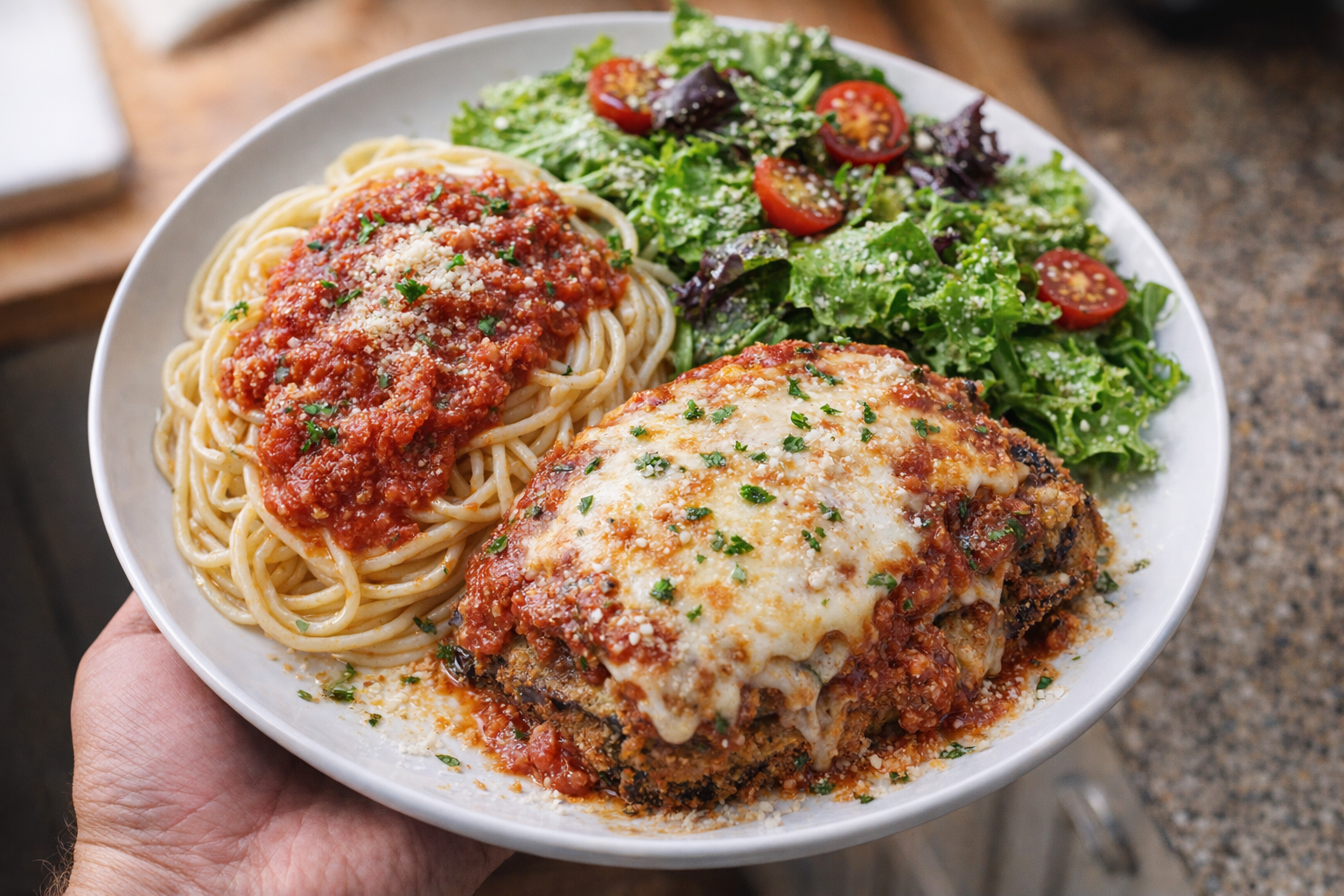
Okay, I'm ready to transform this list of eggplant dishes into a comprehensive guide, focusing on one specific preparation method for maximum impact. Since Eggplant Parmesan is the first dish listed and a classic, I'll create a guide on how to make it on the stovetop.
Eggplant Parmesan, a cornerstone of Italian-American cuisine, offers a delightful balance of textures and flavors. This method creates a crispy, golden-brown eggplant base layered with the tangy sweetness of marinara sauce and the rich, melted goodness of mozzarella and Parmesan cheeses. Cooking eggplant parmesan on the stovetop achieves a satisfyingly crisp texture, a deeply savory flavor, and is more accessible for home cooks without relying on an oven.
This guide will provide a step-by-step approach to creating this classic dish, focusing on achieving perfectly cooked eggplant, a vibrant sauce, and a harmonious balance of flavors.
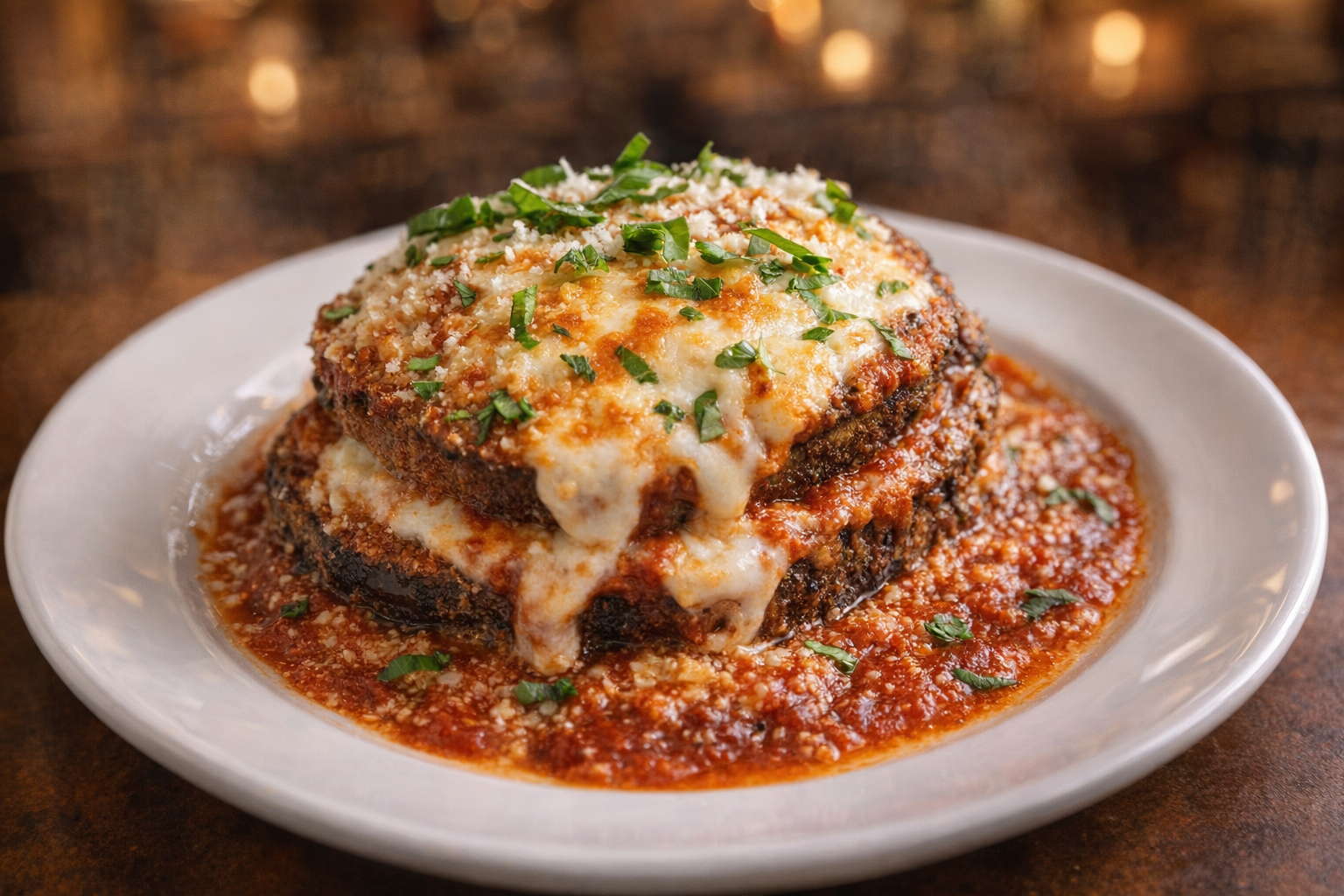
Understanding Eggplant Varieties
While the classic globe eggplant is most commonly used for eggplant parmesan, understanding the different varieties can enhance your dish. Look for eggplants that are firm, heavy for their size, and have smooth, shiny skin. Avoid those with blemishes or soft spots.
- Globe Eggplant: The most common type, characterized by its large, teardrop shape and dark purple skin. It has a slightly bitter taste, which is why salting is often recommended.
- Italian Eggplant: Similar to globe eggplant but smaller and slightly sweeter.
- Japanese Eggplant: Long and slender with a delicate, sweet flavor and thin skin, requiring less cooking time.
- White Eggplant: Offers a mild, almost creamy flavor and is less bitter than purple varieties.
Why Cook Eggplant Parmesan This Way?
- Versatility: Stovetop Eggplant Parmesan can be served as a main course, a side dish, or even as a filling for sandwiches.
- Flavor: The stovetop method allows for maximum caramelization of the eggplant, creating a richer, more intense flavor.
- Convenience: This method is quicker than baking and requires less energy, making it ideal for weeknight meals.
Preparation (Mise en Place)
- Salting the Eggplant: Slice the eggplant into ¼-inch thick rounds. Place the slices in a colander and sprinkle generously with kosher salt. Let them sit for at least 30 minutes, or up to an hour. This process draws out excess moisture and reduces bitterness. Rinse the eggplant slices thoroughly and pat them dry with paper towels. This is a crucial step for achieving a crispy final product.
- Preparing the Marinara Sauce: While you can use store-bought marinara, a homemade version will elevate the dish. Simmer a simple sauce of crushed tomatoes, garlic, olive oil, basil, oregano, salt, and pepper for at least 30 minutes to allow the flavors to meld.
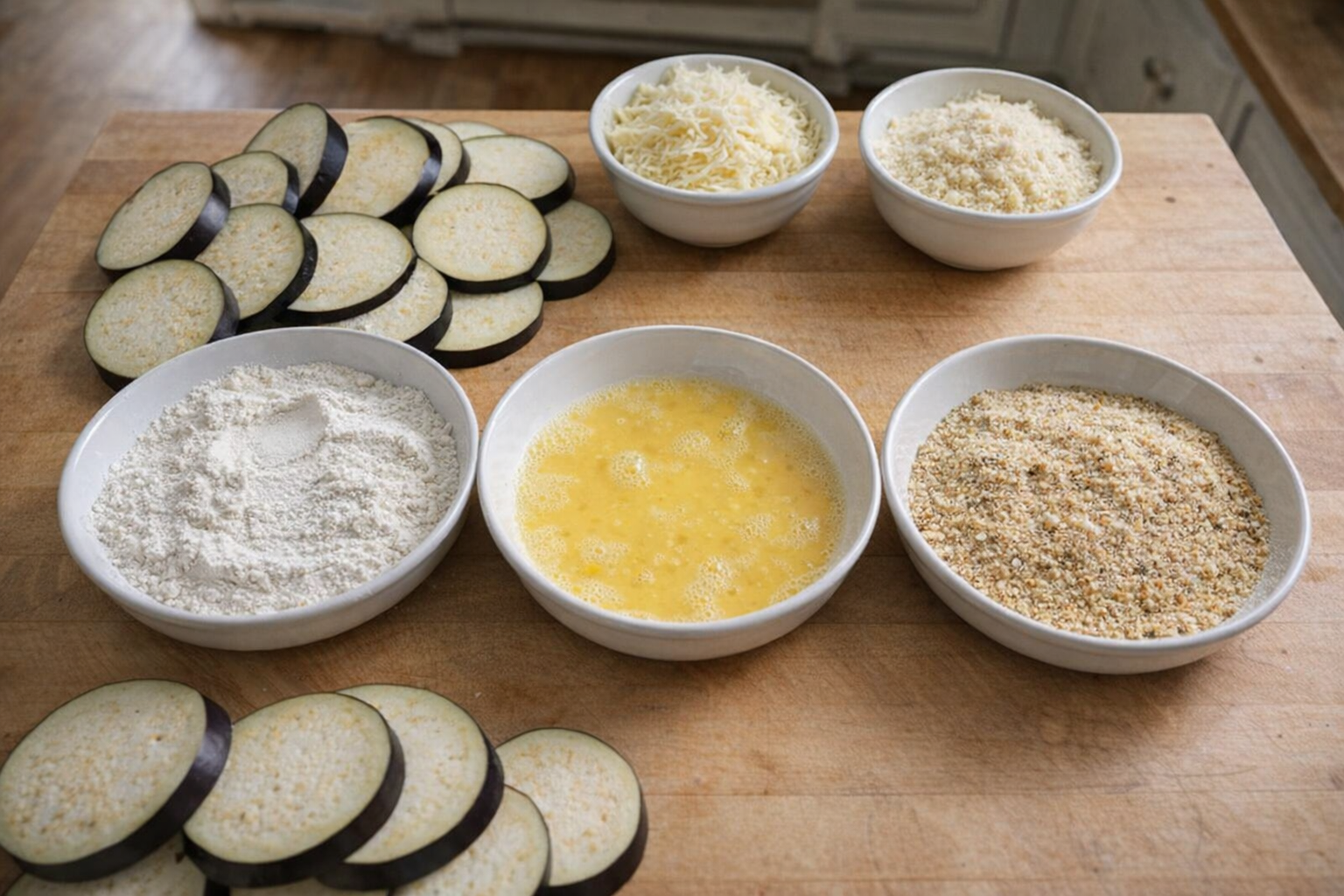
- Setting up the Breading Station: Prepare three shallow dishes. One with all-purpose flour, seasoned with salt, pepper, and garlic powder. The second with beaten eggs. And the third with a mixture of Italian breadcrumbs, grated Parmesan cheese, dried parsley, and a pinch of red pepper flakes.
- Cheese Preparation: Shred fresh, whole milk mozzarella and grate Parmesan cheese.
Essential Tools
- Cast Iron Skillet: A cast iron skillet is ideal for even heat distribution and achieving a perfectly crisp crust on the eggplant.
- Colander: For salting the eggplant.
- Shallow Dishes: For the breading station.
- Tongs: For handling the eggplant slices during cooking.
The Cooking Method(s)
Method 1: Stovetop Eggplant Parmesan (Classic)
Ingredients:
- 1 large globe eggplant (about 1.5 pounds)
- 1 teaspoon kosher salt
- 1 cup all-purpose flour
- 2 large eggs, beaten
- 2 cups Italian breadcrumbs
- ½ cup grated Parmesan cheese, plus more for topping
- 1 teaspoon dried parsley
- ¼ teaspoon red pepper flakes (optional)
- ½ cup olive oil, plus more as needed
- 2 cups marinara sauce
- 8 ounces fresh mozzarella, shredded
- Fresh basil leaves, for garnish
- Salt the Eggplant: Slice the eggplant into ¼-inch thick rounds. Place the slices in a colander and sprinkle generously with salt. Let sit for 30-60 minutes, then rinse and pat dry.
- Prepare the Breading Station: Set up three shallow dishes with flour, beaten eggs, and breadcrumbs mixed with Parmesan, parsley, and red pepper flakes.
- Bread the Eggplant: Dredge each eggplant slice in flour, then dip in the egg, and finally coat thoroughly with the breadcrumb mixture. Ensure each slice is evenly coated.
- Fry the Eggplant: Heat olive oil in a cast iron skillet over medium heat. The oil should shimmer but not smoke. Working in batches, carefully place the breaded eggplant slices in the hot oil, being careful not to overcrowd the pan. Fry for 3-4 minutes per side, until golden brown and crispy. You should hear a pleasant sizzle as the eggplant hits the oil, and the aroma of fried breadcrumbs will fill your kitchen.
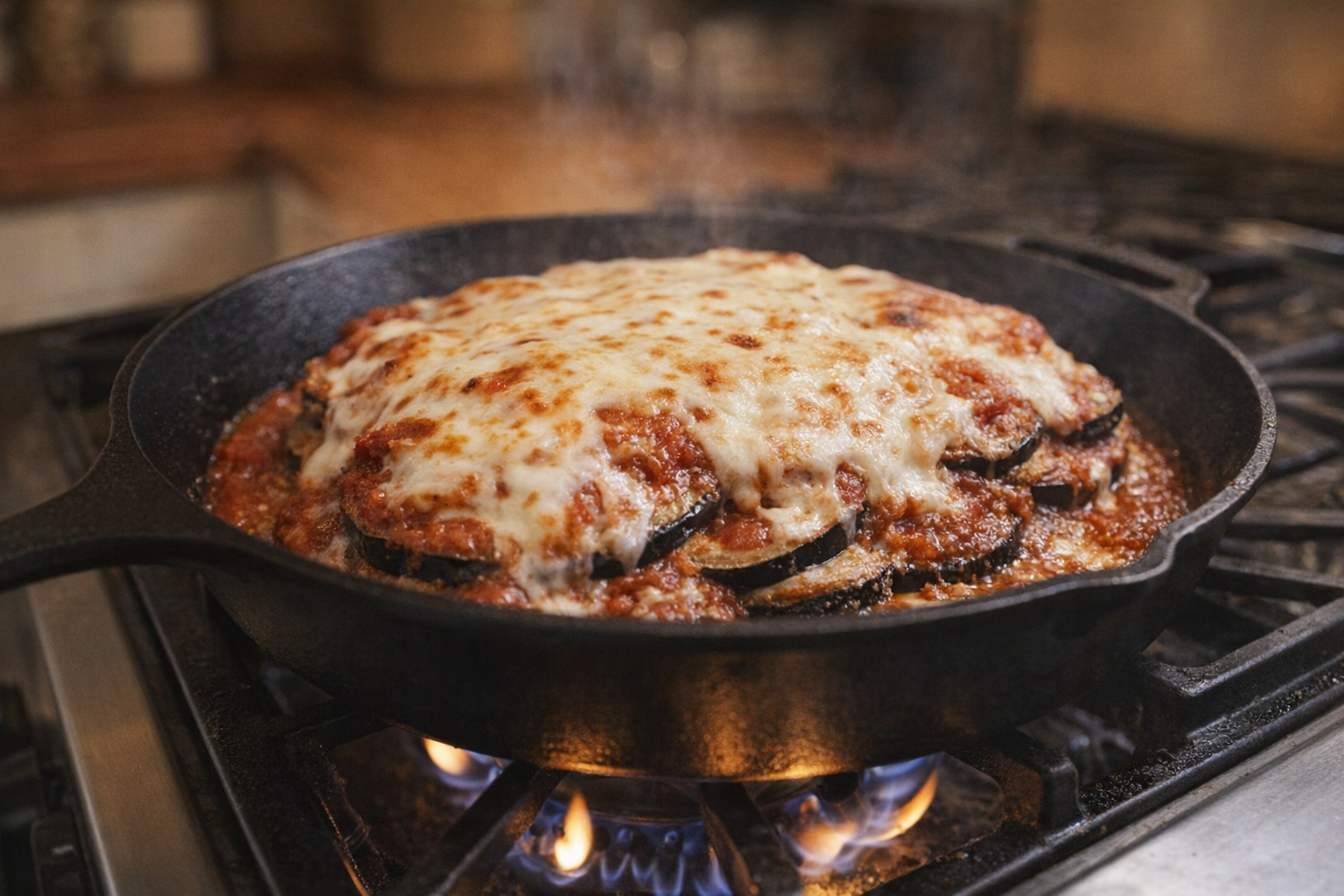
- Assemble the Parmesan: Once the eggplant slices are cooked, remove them from the skillet and place them on a paper towel-lined plate to drain excess oil. In the same skillet, spread a thin layer of marinara sauce. Layer the fried eggplant slices on top, followed by a generous amount of shredded mozzarella and grated Parmesan cheese. Repeat layers until all the eggplant is used.
- Melt the Cheese: Cover the skillet and cook over low heat for 5-7 minutes, or until the mozzarella is melted and gooey. The cheese should stretch when you pull a fork through it.
- Garnish and Serve: Remove the skillet from the heat and garnish with fresh basil leaves. Serve immediately.
Cooking Time & Doneness Guide
- Frying Time: 3-4 minutes per side, until golden brown.
- Melting Time: 5-7 minutes, until cheese is melted and gooey.
- Internal Temperature: While not essential for doneness, the eggplant should be tender and easily pierced with a fork.
Visual Cues
The eggplant should be golden brown and crispy on the outside. The mozzarella cheese should be fully melted and bubbly. The marinara sauce should be heated through.
Tips for Perfection
- Don't Overcrowd the Pan: Fry the eggplant in batches to maintain the oil temperature and ensure even browning. Overcrowding will lower the oil temperature, resulting in soggy eggplant.
- Use High-Quality Ingredients: Fresh mozzarella, ripe tomatoes for the sauce, and good quality olive oil will make a significant difference in the final flavor.
- Don't Skip the Salting Step: Salting the eggplant is crucial for removing excess moisture and bitterness.
- Control the Heat: Maintain a medium heat while frying the eggplant to prevent burning.
Storage & Reheating
- Storage: Leftover Eggplant Parmesan can be stored in an airtight container in the refrigerator for up to 3 days.
- Reheating: For best results, reheat in a skillet over low heat, covered, until heated through. You can also microwave it, but the eggplant may become slightly soggy.
Serving Suggestions
- As a Main Course: Serve with a side of garlic bread or a simple green salad.
- As a Sandwich: Layer the Eggplant Parmesan between slices of crusty Italian bread for a hearty sandwich.
- With Pasta: Toss with your favorite pasta shape for a complete and satisfying meal.
- As an Appetizer: Cut into smaller squares and serve as a finger food for parties.
Frequently Asked Questions
While you can skip it, salting is highly recommended, especially for globe eggplants. It draws out excess moisture, which helps the eggplant get crispier when cooked, and it also reduces any potential bitterness. If you're using a Japanese or white eggplant, which are less bitter, you might be able to shorten the salting time.
Make sure your pan is properly heated before adding the eggplant and use enough oil to coat the bottom of the pan generously. Also, pat the eggplant slices very dry after rinsing off the salt; excess moisture contributes to sticking. A non-stick pan can also be helpful.
Yes, using a good quality pre-made marinara sauce is perfectly acceptable, especially for a weeknight meal. Look for a sauce with simple ingredients and no added sugar. You can also doctor it up with some fresh herbs, garlic, or a pinch of red pepper flakes to enhance the flavor.
Leftover eggplant parmesan will last for 3-4 days in the refrigerator when stored in an airtight container. Reheat it gently in a skillet or microwave until heated through, but be aware that the eggplant may lose some of its crispness upon reheating.